



Dangerous goods/ADR
What is dangerous goods?
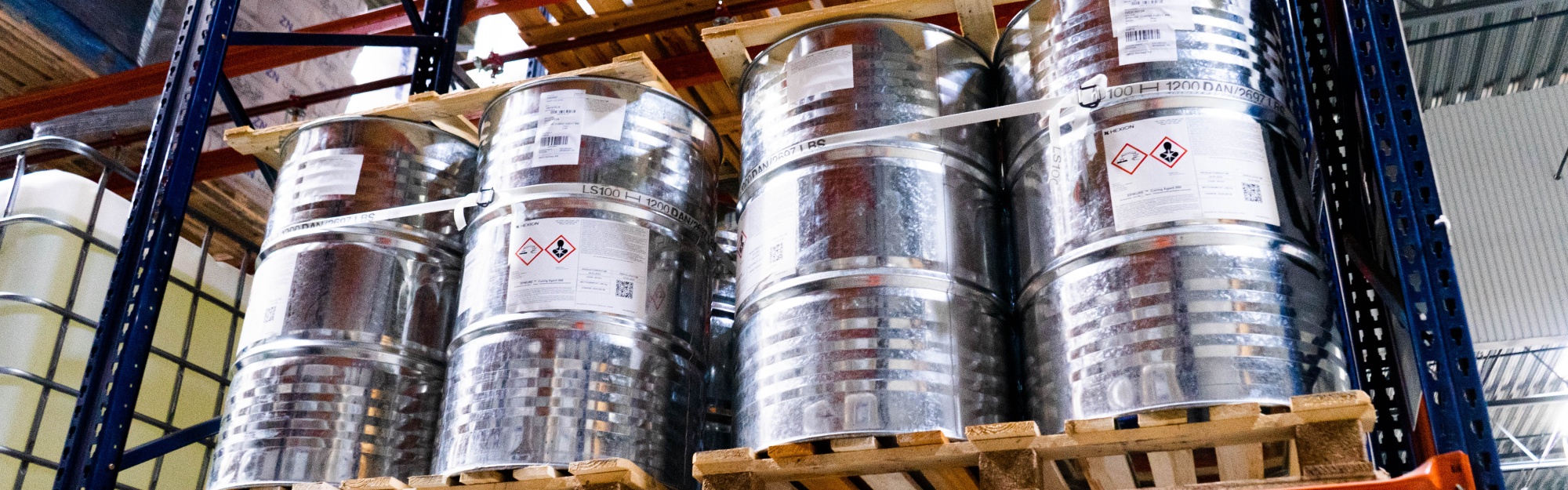
Transported goods that can be hazardous for the safety of lives, health, the environment and material assets, are classed as “Dangerous Goods”.
There are strict regulations in place regarding the transportation of Dangerous goods, as it can be risky to both transport and handle.
The transport of Dangerous goods is regulated by both national as well as international security regulations.
- Road Freight: regulated by forskrift om landtransport av farlig gods
- Sea freight: regulated by IMDG-code
- Air Freight: regulated by IATA/ICAO
Labelling of dangerous goods
Dangerous goods must be labelled correctly, regardless of the means of transport:
- UN number
- Danger warning sign, displaying the ADR class of the goods
- A transport document including all information about the dangerous goods must always follow the shipment
The Sender is responsible for the correct information in the transport document!
Exception and exemptions
Smaller quantities of dangerous goods can often be shipped under simplified regulations, such as Limited Quantities (LQ) or Excepted Quantities (EQ).
As the consignor, you are responsible for ensuring that the shipment:
- is correctly classified
- is properly packaged and labelled
- includes the necessary information
Once these requirements are met, we ensure safe and efficient handling throughout the transport chain.
Dangerous substances, explosives and transport of dangerous goods
The IMDG code that regulates the safety by sea
Here you will find an introduction to the IMDG code, for the transport of dangerous goods by sea
IATA regulates Air Freight of dangerous goods
Here you will find more information about IATA

Roar Wangen
Direct Distribution & Express Service Specialist / Security AdvisorDidn't find what you were looking for?

